
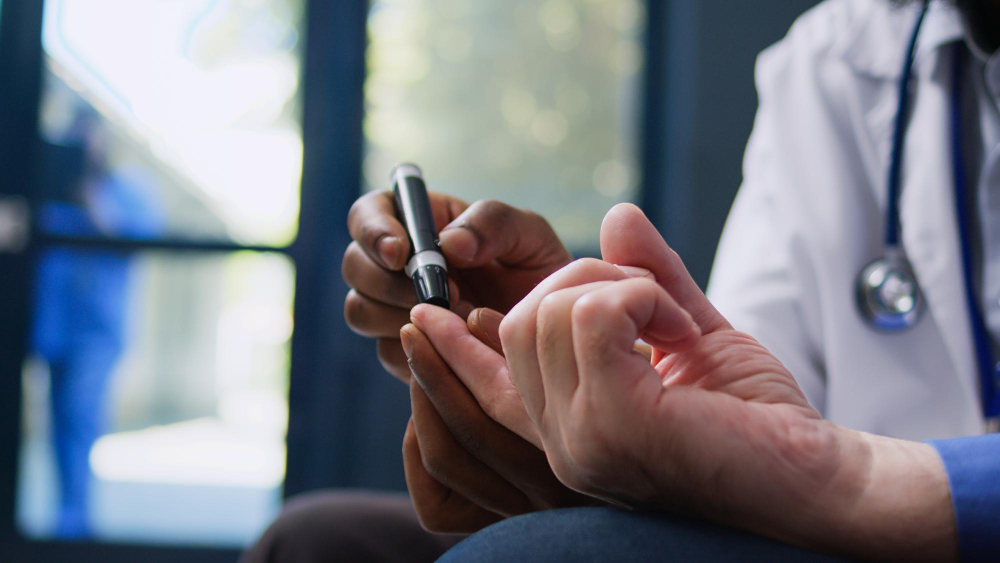
What Is Diabetes Screening?
Diabetes screening is a way to check your blood sugar levels. Early screening can help find diabetes before symptoms appear. For example, many people do not know they have high blood sugar. Because of this, regular screening is important. Doctors use tests like fasting sugar, post-meal sugar, and HbA1c to check for diabetes. These tests are simple and safe. According to the CDC, early detection helps prevent serious health problems.
Why Is Diabetes Screening Important?
Screening helps catch diabetes early. As a result, you can start treatment sooner. Early action lowers the risk of heart disease, kidney problems, and nerve damage. In many cases, people feel fine even when their blood sugar is high. Therefore, regular blood sugar screening for diabetes is key, especially if you have risk factors. The World Health Organization (WHO) recommends screening for adults over 45 or those at risk.
Fasting Blood Sugar Test: What to Expect
The fasting blood sugar test checks your blood sugar after you have not eaten for at least eight hours. Usually, this test is done in the morning. Because you fast overnight, the results show your baseline sugar level. To prepare, do not eat or drink anything except water before the test. The test is quick and only needs a small blood sample. Many clinics offer diabetes screening in your city or region, making it easy to access.
Post-Meal (Postprandial) Blood Sugar Test: How It Works
After you eat, your blood sugar rises. The post-meal, or postprandial, blood sugar test checks your sugar level two hours after eating. This test shows how your body handles sugar from food. Sometimes, doctors use this test if your fasting sugar is normal but you have symptoms. For example, feeling thirsty, tired, or needing to urinate often may prompt this test. The process is simple and safe.
HbA1c Test: Understanding Long-Term Blood Sugar Control
The HbA1c test measures your average blood sugar over the past two to three months. Unlike other tests, you do not need to fast. Because it shows long-term control, doctors use it to diagnose and monitor diabetes. The HbA1c test meaning is simple: it tells how much sugar is attached to your red blood cells. According to the CDC, an HbA1c of 6.5% or higher may mean diabetes.
Who Should Get Screened for Diabetes?
Some people have a higher risk of diabetes. For instance, you may need screening if you:
Even if you feel healthy, it is wise to ask your doctor about how to check blood sugar. Regular screening helps catch problems early.
How to Prepare for Diabetes Screening
Preparing for diabetes screening is easy. However, each test has different steps. For fasting blood sugar, do not eat or drink anything except water for at least eight hours. For the post-meal test, eat your usual meal and wait two hours. The HbA1c test does not need special steps. Always tell your doctor about any medicines you take. Sometimes, certain drugs can affect your results.
Understanding Your Results: What the Numbers Mean
After your tests, your doctor will explain your results. Still, it helps to know what the numbers mean. Here are common blood sugar ranges (based on CDC and WHO guidelines):
If your numbers are high, your doctor may suggest more tests or lifestyle changes. Because early action helps, do not ignore unusual results.
Tips for Maintaining Healthy Blood Sugar Levels
Keeping your blood sugar in a healthy range is possible. Even small changes can make a big difference. For example, regular exercise and healthy eating help control blood sugar. Here are some easy tips:
Because everyone is different, talk to your doctor about what works best for you.
Prevention and Early Detection
Preventing diabetes is possible for many people. For instance, staying at a healthy weight and being active lowers your risk. Early detection through regular diabetes screening can stop serious problems before they start. If you have risk factors, ask your doctor about screening options in your area. The sooner you know your numbers, the sooner you can take steps to protect your health.
Conclusion
If you have questions about diabetes screening or your blood sugar, Dr. Sethupathi Ravichandran is here to help. Book a consultation today to get clear answers and support for your health.